Our Research
Advancing Science That Transforms Lives
At The Roskamp Institute, research is not confined to the lab, it is driven by a singular purpose: to translate scientific discovery into real-world solutions that improve how people live, age, and thrive.
Make a Donation
Learn About Us
Our Top Priorities
Our scientists work at the intersection of neuroscience, immunology, and whole-body health, investigating the biological mechanisms that drive chronic disease. From molecular pathways to clinical insights, our approach is deeply translational, bridging laboratory discovery with practical application.
Alzheimer’s Disease
Translating research into proactive tools for healthier aging through the development of its Brain Reserve Index (BRI) program.
Traumatic Brain Injury
Our scientists have identified novel avenues to treat the consequences of TBI and are working to advance those into clinical evaluation.
Gulf War Illness
Understanding how military-related chemical exposures affect the brain and body over time.
Red Tide
Understand how the health of our community is affected by breathing airborne toxins released during red tide events.
Post-Traumatic Stress Disorder
Exposure to a severe life threatening traumatic event.
Where Discovery Meets Impact
Our laboratory spaces are designed for innovation, collaboration, and precision. Researchers work with:
- Advanced molecular and cellular analysis tools
- Neurobiology and immunology research platforms
- Translational models that connect laboratory findings to human health outcomes
Every project is guided by a clear objective: to turn knowledge into interventions that empower individuals and communities.
Happening Now
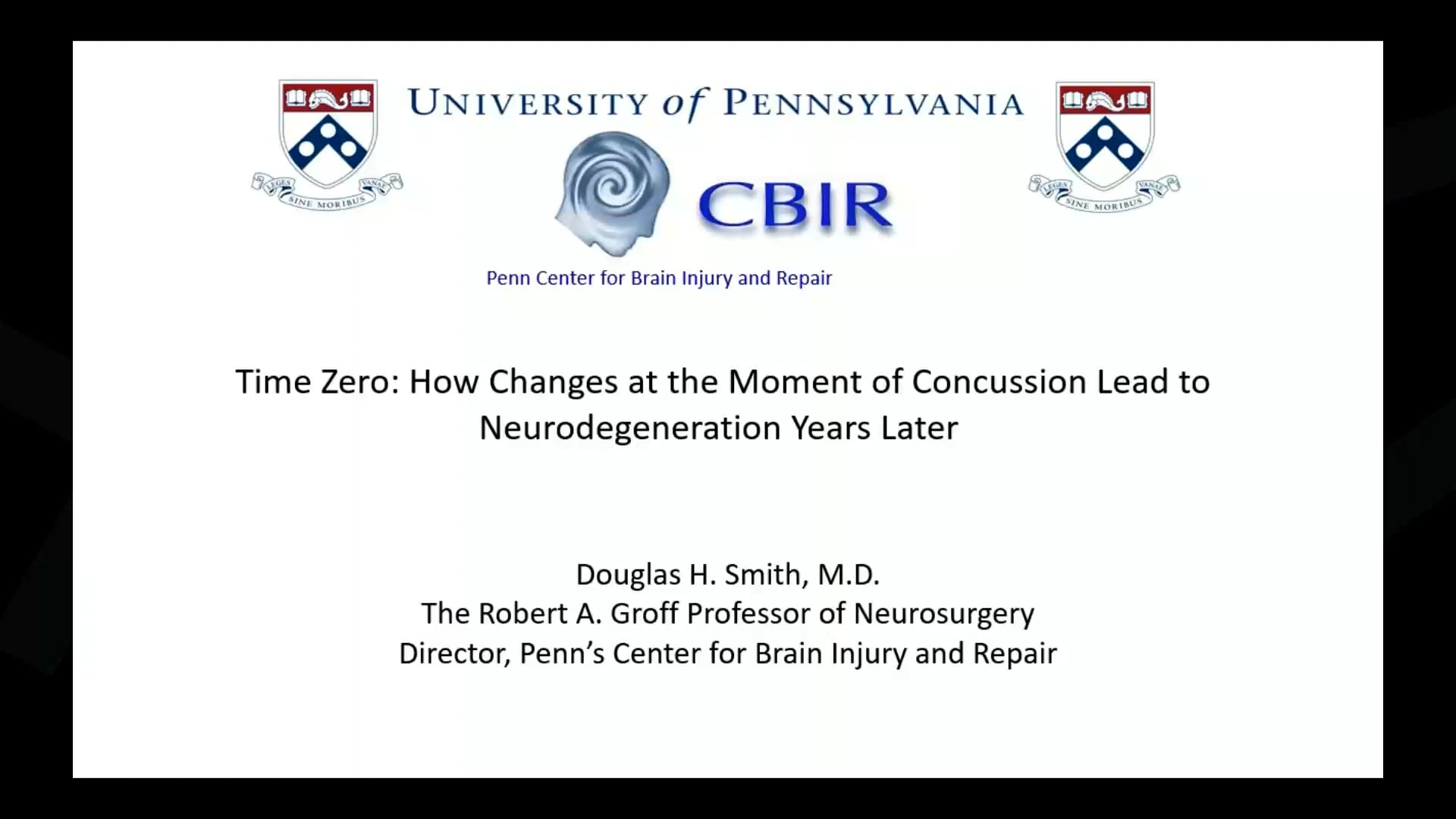
Seminar: How Changes at the Moment of Concussion Lead to Neurodegeneration Years Later
Join our guest Dr. Doug Smith as he gives a seminar about the effect of Concussion on Neurodegeneration
About Us
Contact Us