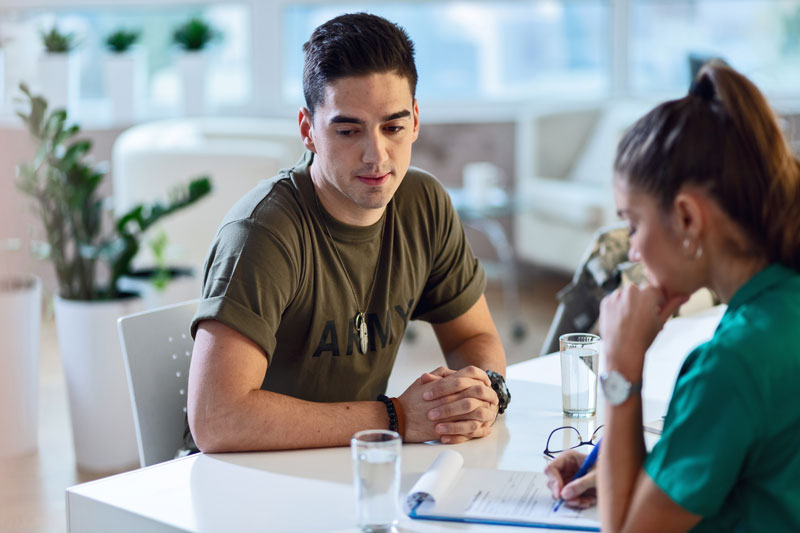
The Roskamp Institute is working to develop therapies aimed at improving the quality of life for Veterans living with Gulf War Illness (GWI). This condition affects approximately 30% of those who served in the 1990–1991 Gulf War. Now, more than 35 years later, many Gulf War Veterans continue to experience persistent health problems, including severe fatigue, mood changes, chronic pain, and difficulties with thinking and concentration. These challenges can significantly impact daily life, yet there are currently no approved treatments that meaningfully improve outcomes for those affected by GWI.
Oleoylethanolamide (OEA) is a naturally occurring molecule made in the body that plays a role in regulating energy use, metabolism, and communication between the gut and the brain. Because these processes are linked to health problems such as fatigue and mood changes, researchers explored whether OEA supplementation could help improve the quality of life of Veterans with GWI.
In this clinical study, 52 Veterans with Gulf War Illness participated in a carefully designed trial. For the first 10 weeks, participants were randomly assigned to receive either OEA capsules or a placebo - a look-alike pill with no active ingredient. After this phase, all participants received OEA for an additional five weeks.
Throughout the study, researchers assessed fatigue, mood, pain, cognitive function, and overall quality of life. Veterans who took OEA reported reduced fatigue and improved mood compared to those who received the placebo. They also experienced increased energy, better emotional well-being, and improved social functioning. Importantly, OEA was found to be safe and well tolerated.
Another important aspect of these clinical studies is helping Veterans learn about emerging science and how it can support their care. As Gulf War Veteran Boe Marshall shared, “Participating in research helps me and my brothers and sisters in arms. I get to interact with GWI research experts, learn how to communicate with my VHA doctors, build evidence for VBA benefits, and take responsibility for my quality of life.”
These findings on OEA are important because persistent fatigue, low mood, and poor emotional well-being are among the most challenging features of this illness faced by Veterans with GWI. Addressing these heath issues is a critical step toward improving their overall quality of life.
Although this was a pilot study, the findings were strong and suggest that OEA supplementation may help improve energy levels and overall well-being in Veterans with GWI. Larger studies will be needed to confirm these results and better understand how OEA supports health in this patient population. Overall, this research provides promising early evidence that targeting the gut-brain connection through OEA supplementation may offer a meaningful way to improve the lives of Veterans living with GWI.
Please see below the link to the research article: https://www.nature.com/articles/s41598-026-35168-3
To learn more about this and other research studies that are being conducted at the Roskamp Institute, please call (941) 256-8018.